
Diet & Nutrition
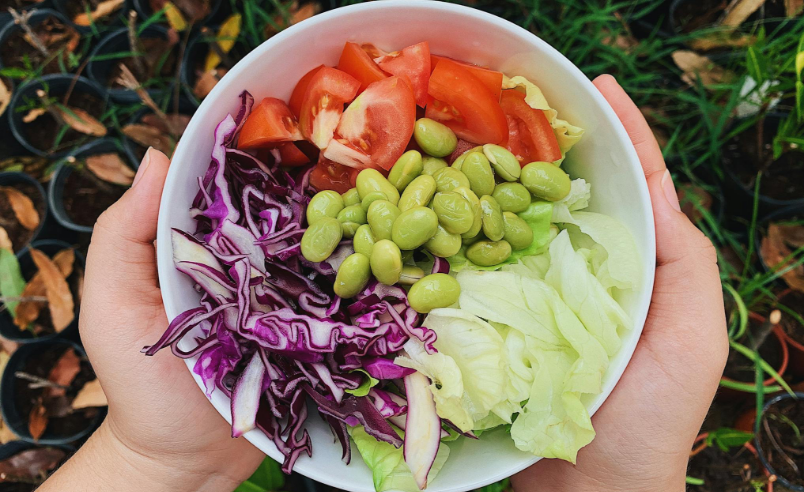
Balanced diet is essential to support treatment and overall health. Focus on consuming a variety of nutrient-rich foods, including fruits, vegetables, whole grains, lean proteins, and healthy fats. Adequate hydration is also crucial. Aim to maintain a healthy weight and manage side effects like nausea or taste changes by eating small, frequent meals and avoiding spicy or greasy foods. Consult with a registered dietitian for personalized nutrition guidance tailored to your treatment, specific needs, and any dietary restrictions
What do in Diet & Nutrition?
Understanding Nutritional Needs
Review patient’s medical history, including type of cancer, treatment received, and any dietary restrictions or concerns. Assess patient’s current eating habits, preferences, and any nutritional deficiencies.
- Identify treatment-related side effects affecting appetite
- Determine individual calorie, protein, and micronutrient requirements
Meal Planning
Develop a tailored nutrition plan focusing on nutrient-dense foods to support treatment and recovery. Provide guidance on balanced meals and snacks, emphasizing fruits, vegetables, whole grains, lean proteins, and healthy fats.
- Encourage adequate fluid intake to prevent dehydration
- Consider nutritional supplements if needed to address specific deficiencie
Regular Monitoring
Track dietary intake, weight changes, and symptoms regularly to assess progress and make adjustments. Observe how dietary changes impact treatment side effects and adjust the plan accordingly.
- Monitor for signs of malnutrition or nutrient deficiencies and intervene as needed.
- Assess patient’s adherence to the nutrition plan and provide support as necessary.
Experience Patients Success Stories & Feedback

Thank you SAHAYYA for helping out me after my cancer treatment journey, It helped me a lot to recovering from that health condition.
Thanks for your and your team's support during my whole journey of treatment. The support from your dietician was not generic but it was customised as per my health and side effects during chemo sessions. I also appreciate the quidance given by Pshycologist and Physio therapist. It helped me a lot to go through treatment with positive mind and good health.
Sahayya experts are masters in understanding the patient's need and feel during the journey. They provide complete guidence which is surely beneficial for patients phvsically and mentally. SAHAYYA boosted my confidence and fighter attitude.
Frequently Asked Questions
Cancer treatments include surgery, chemotherapy, radiation therapy, immunotherapy, targeted therapy, hormone therapy, stem cell transplant, precision medicine, and cancer vaccines. Each treatment aims to destroy cancer cells or stop their growth, tailored to the type and stage of cancer and individual needs. Palliative care focuses on symptom management and quality of life.
Cancer is diagnosed through a series of methods. Initially, a doctor reviews the patient’s medical history and conducts a physical exam. Imaging tests such as X-rays, CT scans, or MRIs help visualize internal structures, while biopsies involve removing tissue for microscopic examination. Blood tests, endoscopy, and genetic tests may also aid in diagnosis. Pathologists examine samples to identify cancer type and characteristics. Advanced techniques like liquid biopsy analyze blood for cancer cells or DNA. Diagnosis relies on a combination of these methods tailored to individual symptoms and findings.
During cancer treatment, you can expect a personalized approach based on your type and stage of cancer:
Initially, you’ll meet with oncologists to discuss your treatment plan, which may include surgery, chemotherapy, radiation therapy, or other options. Treatment duration varies, ranging from weeks to months or longer.
You may experience side effects such as fatigue, nausea, hair loss, and changes in appetite. Your healthcare team will manage these side effects with medications and supportive care.
Patients have access to counseling and support groups to address emotional challenges. Palliative care provides symptom management and enhances comfort.
Nutritionists offer guidance to maintain a healthy diet during treatment. Physical therapy helps manage physical effects and improves mobility.
Coping with the emotional impact of cancer involves various strategies. Seek support from loved ones, support groups, or counselors. Practice self-care, including relaxation techniques, exercise, and hobbies. Maintain open communication with your healthcare team and ask questions. Set realistic goals and focus on what you can control. Accept your feelings and seek professional help if needed. Remember, it’s normal to experience a range of emotions, and you’re not alone in this journey.
Several lifestyle changes can help prevent or manage cancer. Adopting a healthy diet rich in fruits, vegetables, and whole grains while limiting processed foods and sugary drinks. Regular exercise can lower cancer risk and improve overall health. Avoid tobacco and limit alcohol consumption. Protect yourself from sun exposure and avoid indoor tanning. Aim to maintain a healthy weight and get regular screenings as recommended by your healthcare provider. Making these changes can significantly reduce cancer risk and improve overall well-being.
Supporting a loved one with cancer involves being present, empathetic, and supportive. Listen actively and offer emotional support without judgment. Help with practical tasks like transportation or household chores. Accompany them to medical appointments if needed. Respect their decisions regarding treatment and provide encouragement. Offer to research treatment options or connect them with support groups. Simply being there to lend a listening ear and showing your love can make a significant difference during this challenging time.